Interior design direction: bringing an existing team together
When a project needs a clear design lead: decisions, materials, specialist proposals and the integrated appointment at Sikder Haus.
When does a project need design direction?
The team may already include an architect, interior designers, engineers and several suppliers, yet decisions about space, finishes and furniture still arrive separately. Design Direction provides a senior design lead for those decisions within an agreed appointment. It helps the client and team assess proposals against a shared intent and understand which choices need further development.
Start with the decisions that are still open
Identify what has already been approved and what is under discussion. A layout change, alternative stone, different lighting proposal or revised furniture selection can affect neighbouring parts of the interior. The starting point is a focused review of the current information, the people developing it and the next decision milestones. This avoids treating every question as a new design brief.
What is the difference from full interior design?
A full Interior Design appointment develops the interior and its agreed design packages. Design Direction can guide work being developed by an existing team. The roles can overlap in a broader commission, but the client should know who authors drawings, who reviews proposals and who approves decisions. The service name alone does not define those responsibilities.
Sikder Haus: an integrated appointment
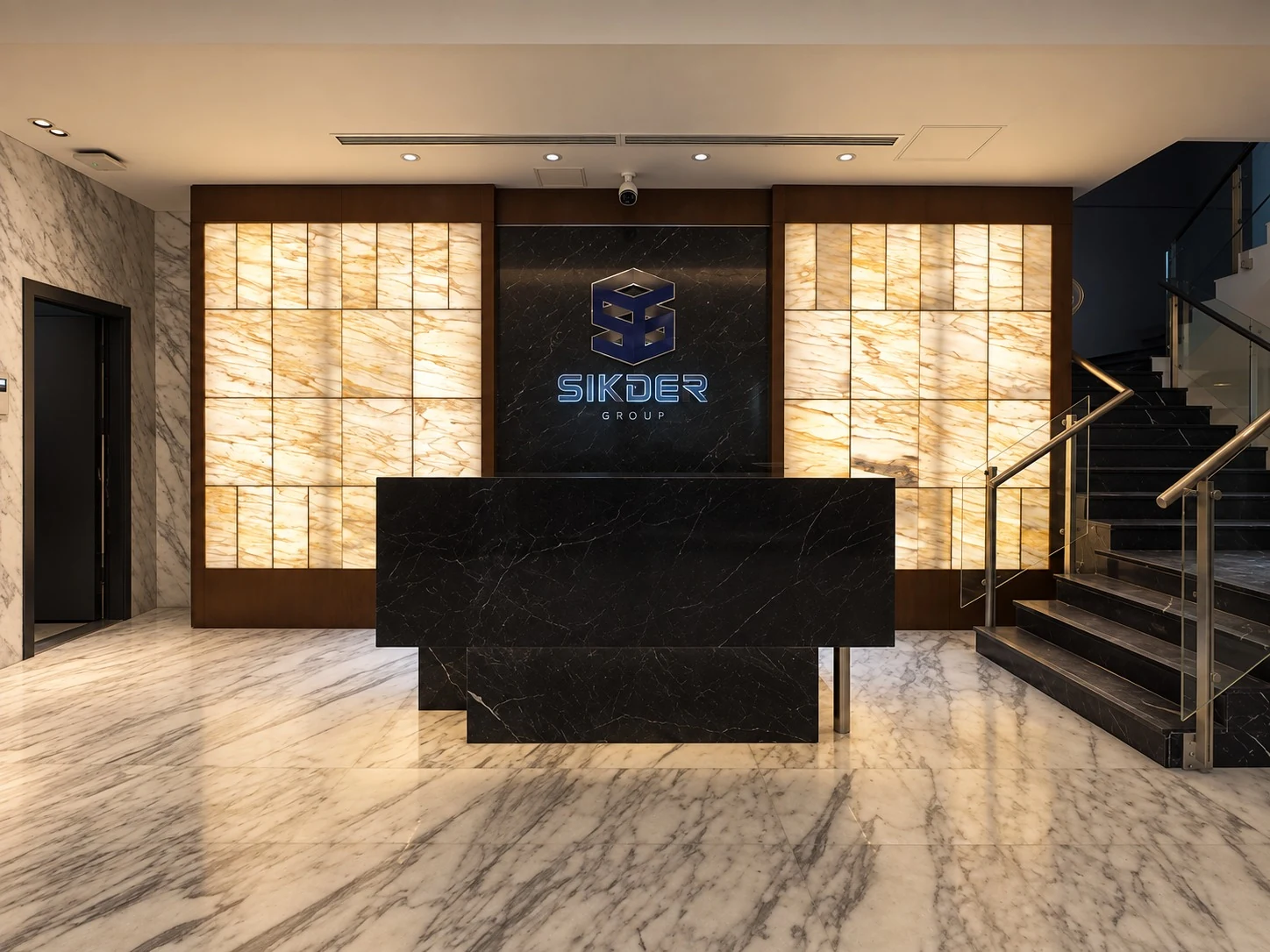
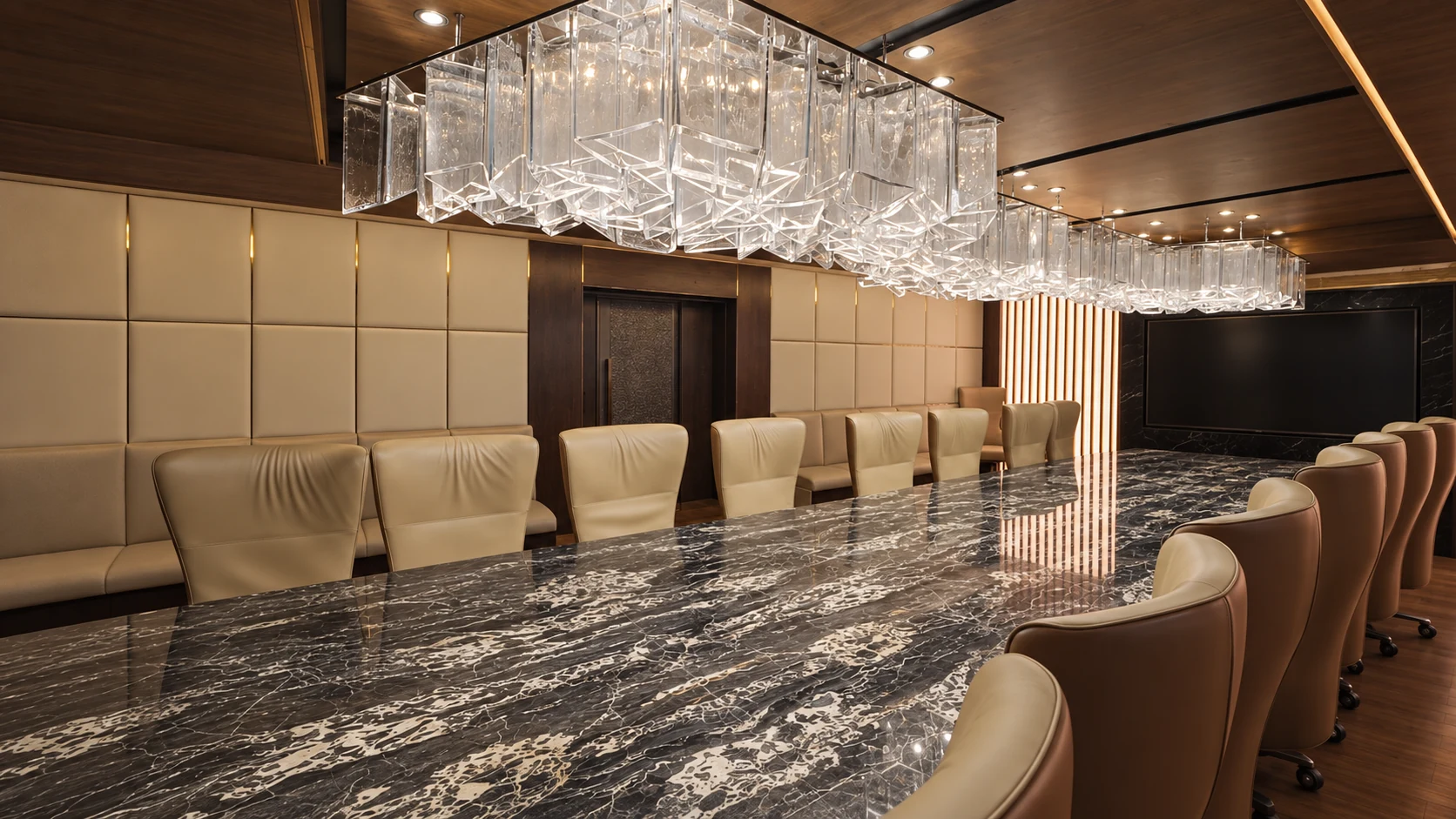
At Sikder Haus in Dhaka, my work spanned interior design, design direction, bespoke development, engineering and importation. Reception areas, executive rooms, boardrooms and social spaces called for decisions at different scales, from the character of a room to the detailing of a commissioned piece. Design direction was part of that wider responsibility: keeping the interior coherent as individual elements were developed.
Make alternatives comparable
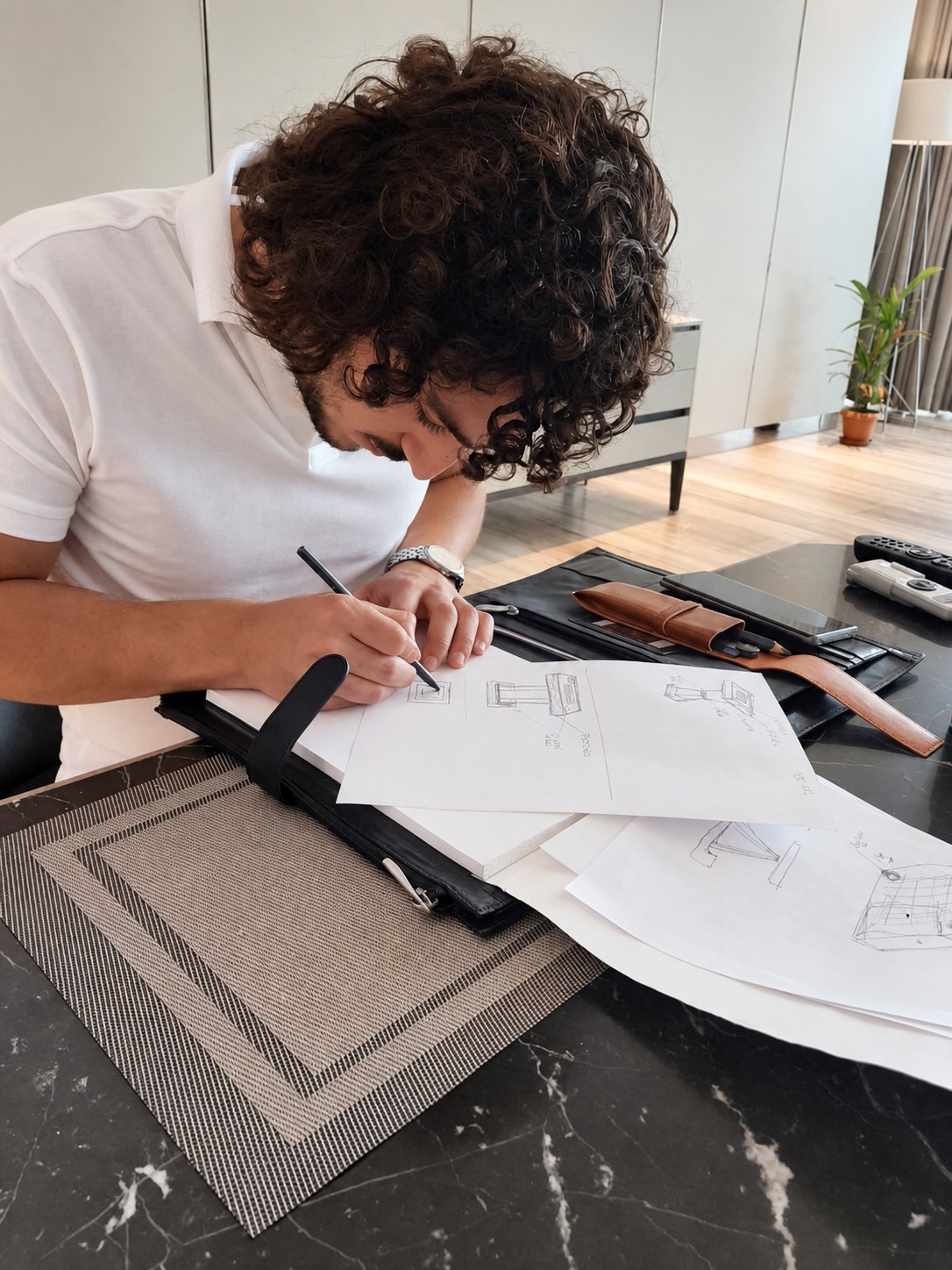
If two suppliers propose different solutions, identify what changes in appearance, dimensions, materials and coordination. Return to the agreed design priorities, then ask the relevant specialist to explain any technical implications. Record the selected option and what remains to be developed. An attractive presentation is useful, but it needs to connect to the information the team will actually use.
What does the client receive?
An appointment can include an agreed design direction, focused reviews, material and furniture decisions, and a record of actions at defined milestones. The exact deliverables depend on the project. Set the rhythm of reviews around real decisions, identify the information required in advance and establish how comments return to the designers or suppliers developing each package.
Where does technical review fit?
A design decision can reveal a question about fabrication, access or the junction between packages. That may require a defined Technical & Project Review or input from a responsible engineer or maker. Keeping the questions connected helps the team progress, while making clear which expertise and approvals are needed for each decision.
What should you share with AD’?
Bring the current design, a list of appointed team members, the programme and the decisions you need help making. Explain whether you want ongoing design leadership or a focused intervention. We can then propose an appointment that works with your team and reflects the information and authority needed to do the work.