
Why Your Interior Designer Needs to Know Your Budget
A clear investment range helps shape the rooms, materials and details that matter to you. Every commitment to spend still needs the agreed approval.

When I ask about the budget for an interior, I want to understand what the client has chosen to invest in the project. That figure belongs beside the plans, the way the property will be used and the qualities the finished space should have.
The hesitation is understandable. You may worry that disclosing the amount simply gives the designer a number to spend. The answer should be visible in the process: clear inclusions, meaningful alternatives, estimates checked as the design develops, and approval before commitments are made.
An interior design budget allows those conversations to happen while there is still room to make good choices.
Design is gas: give the possibilities a boundary
There is an analogy I like: “Design is not water. It is gas. It expands to fill the container.”
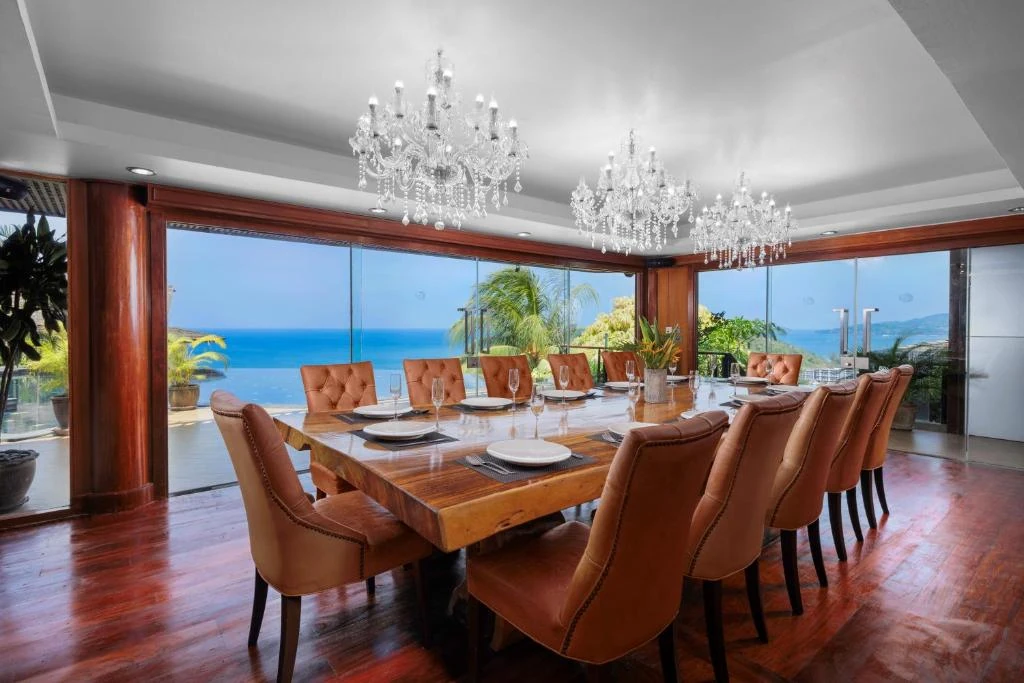
Think of the possibilities within one room. A dining table might come from a collection or be made for the space. A wall might be painted, panelled or clad in carefully selected stone. Lighting might combine discreet architectural fittings with a commissioned piece. Each decision opens another set of choices about dimensions, materials, detailing and manufacture.
The budget gives that expanding set of possibilities a boundary. It helps us decide which direction deserves development. The objective is the strongest complete interior within the investment you have chosen.
That changes the opening question to: “Given what I want to invest, what is the best project we can create?”
Start with a range, then test the brief
You do not need a perfectly calculated figure for the first meeting. A realistic range is useful. Explain whether it is an initial expectation, a comfortable working budget or a firm limit, and whether it covers the whole property or a particular phase.
Bring your priorities with it. You may care most about a generous living room, a kitchen designed around daily use, a quiet bedroom or a particular level of craftsmanship. For a hospitality interior, the conversation may include guest experience, maintenance and the periods available for carrying out the work.
We can then test the scope against the available investment. If the two are too far apart, the useful response is to discuss changes to the scope, specification or sequence before developing the affected design in detail.
Early cost planning is part of established design practice: the RIBA Plan of Work places agreement of the project budget in briefing and aligns the concept with a cost plan. The practical point for a client is simple: discuss ambition and affordability together.
What does your interior design budget include?
Before allocating the money, agree what the number covers. A furniture allowance and the total investment needed to complete an interior describe different scopes.
Depending on the appointment, the discussion should account for:
| Area | What needs to be included |
|---|---|
| Works and building services | Alterations, preparation, construction work and the relevant mechanical, electrical and other systems. |
| Finishes and fitted elements | Floors, walls, ceilings, joinery and stonework, including their fabrication and installation. |
| Furniture, lighting and equipment | The selected pieces, quantities, configurations and finishes, with bespoke items assigned to the appropriate package. |
| Professional services | Design, engineering, surveys, cost advice and other appointments needed for the agreed scope. |
| Procurement and delivery | Purchasing services, packing, transport, storage, import charges where applicable, assembly and installation. |
| Taxes | Applicable taxes, with clarity on whether individual prices already include them. |
| Allowance for uncertainty | A separately identified reserve for risks or unresolved information. |
Check where each item sits so it is counted once. Installation may already be included in a supplier’s price; bespoke joinery may sit within a contractor’s package. Those boundaries need to be clear before totals can be compared.
Allocation should follow the property, location, condition, intended use and client priorities. There is no universal percentage that every luxury interior should spend on furniture or stone. Initial allowances need to be tested against the actual design and current quotations, with cost advice appropriate to the project.
Choose where the investment will matter
The design work becomes more interesting when the priorities are clear. In a private sitting room, I would begin with how people sit, move and spend time together. A well-proportioned seating arrangement, comfortable upholstery and carefully planned light may deserve more attention than a decorative finish on every surface.
One exceptional material can give a room its character when it is placed well. A stone wall needs the right proportions, junctions and lighting around it. Adding more of the same stone elsewhere is another decision, with its own purpose and cost.
Bespoke work should answer a particular need: a difficult dimension, a relationship with the architecture, a function or a detail that a collection piece cannot readily provide. That gives us a reason to invest in developing it. Elsewhere, a carefully selected collection piece may fit the room beautifully.
For a hospitality space, I would consider what the guest encounters alongside the operator’s daily work: seating comfort, cleaning, maintenance, lighting and the replacement of heavily used elements. Luxury depends on how these decisions work together, including the parts that receive little attention in a photograph.
Check the price of the complete decision
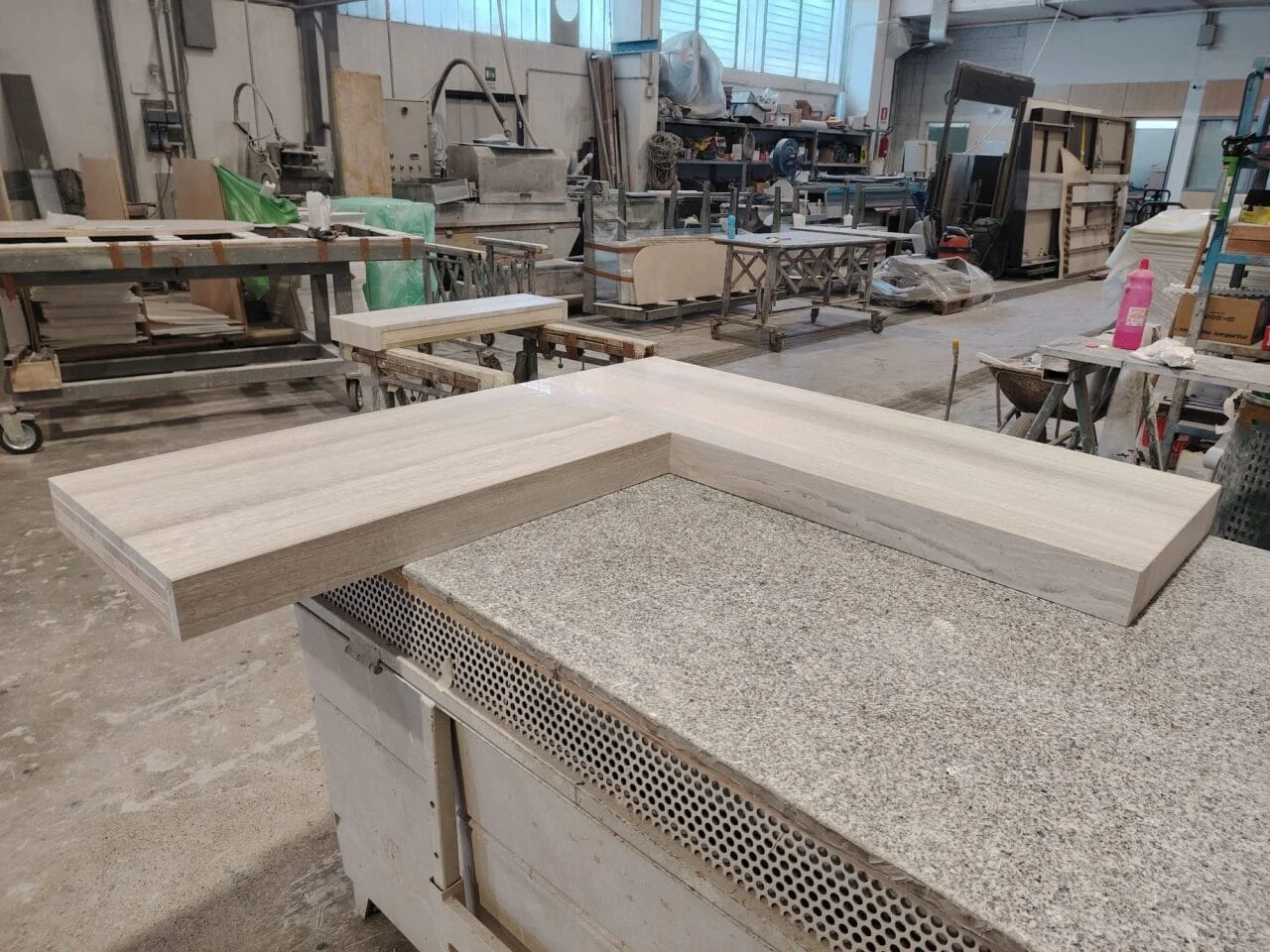
A lower product price needs to be understood in context. With stone, the selection of the slab is followed by questions about cutting, joints, supports, transport and installation. With furniture, dimensions, upholstery, delivery access and assembly can all affect the purchasing decision.
Compare alternatives on the same basis. Identify what changes in the material, construction, comfort, appearance, care or delivery requirements. That makes the discussion specific enough for the client to judge what the difference is worth.
Furnishing and procurement therefore need to remain connected to the design. A selected piece still has to be specified, quoted, approved and delivered within the responsibilities agreed for the appointment.
The same applies when reviewing an existing design. A change that reduces one line in a quotation may affect adjacent work. Look at the complete consequence before treating it as a saving.
Keep the budget visible as the design develops
Sharing a budget starts a process. At the outset, some figures will be allowances because the design, quantities or site information are incomplete. As those decisions become clearer, the figures need to be checked and updated using the relevant contractor and supplier information.
Agree who maintains that picture, who reviews changes and who can authorise expenditure. The scope may call for a quantity surveyor or cost consultant alongside the design team. Design approval, acceptance of a quotation and release of an order should each be clear to everyone involved.
Keep the allowance for uncertainty visible too. It needs to reflect what remains unresolved. Before using it for an additional finish or piece of furniture, review whether the risks it was intended to cover are still present.
If you ask to add something, the team should explain what it changes: the amount, the programme, the work already developed and any other decisions affected. You can then choose with that information in front of you.
It is also reasonable to ask how design fees and procurement charges are calculated, including any agreed mark-ups or commissions. Those terms belong in the appointment discussion, so you understand what you are paying for.
Bring the investment into the brief
A useful first conversation can begin with four things: the property and spaces involved, how you want to use them, the qualities you would protect if choices are needed, and the investment range you are considering. Include the intended timing and anything already purchased or committed.
My role is to bring those priorities into a coherent interior: to judge where proportion, comfort, materials and craftsmanship will make the difference, and to develop the work with the appropriate team.
Knowing the budget gives us the information to allocate it intelligently. The decisions about committing that investment remain with you and the people you have authorised.
Discuss your property, priorities and investment range with AD’ Design Studio.