
Serviced apartment interior design: space for a longer stay
Give guests room to settle in, with a clear relationship between what their apartment provides and the service beyond its door.

After several weeks, a guest knows an apartment differently. There is a favourite place for morning coffee, food in the kitchen and clothing waiting to be washed. The pleasure of staying depends on how comfortably those ordinary things fit into the rooms.
Serviced apartment interior design connects that independence with the operator’s service. Before fixing cabinetry or furniture, establish what guests can do inside the unit and what they will rely on someone else to provide. Laundry offers a useful test: removing an appliance from the plan moves the activity elsewhere, with consequences for space, storage and the stay itself.
Begin with the stay you want to offer
A guest staying for several weeks may cook regularly, unpack fully and work between meetings. The apartment needs to support those habits while still feeling like somewhere to enjoy an evening.
The owner and operator establish the service they want to offer. The designer can then develop the kitchen, dining place, seating and storage around that experience. A unit offering collection-and-return laundry can use its space differently from one where guests wash clothing themselves.
These decisions are easier to make before the cabinetry is fixed. They establish what the apartment will provide and what the guest can expect beyond its door.
One apartment, two laundry arrangements
Consider an illustrative one-bedroom apartment for a guest or couple staying for several weeks. This is a design exercise, not an AD’ serviced-apartment project.
The unit includes a kitchen, dining place and living area. An alcove near the bathroom is being considered for laundry or additional storage. Its dimensions and technical feasibility still need checking.
Compare two arrangements on the same plan. In the second, assume the operator has confirmed a collection-and-return laundry service, including when collection is available and how clothes come back.
| Decision | Laundry inside the apartment | Operator’s collection-and-return service |
|---|---|---|
| Use of the alcove | Space for the selected equipment and its required access | Additional clothing or luggage storage, if suitable |
| Clothes awaiting washing | A place to sort and hold clothing before a wash | A place for the collection bag until the agreed handover |
| Clean clothing | Space to handle, hang or put away the washed clothing | Space to receive and put away the returned package |
| People and routes | Guest moves between clothing storage and the laundry position | Agreed handover route for guest and staff |
| Availability | Guest use follows the equipment and house arrangements | Guest relies on the confirmed collection and return arrangements |
The first option reserves space for an activity the guest controls. The second releases that equipment position for another use but depends on a service outside the apartment. Neither choice removes the need to accommodate clothes.
Follow the clothing through the occupied apartment
The designer can test each laundry arrangement in the furnished plan. With an appliance in the unit, that includes opening its door, holding a basket and handling clean clothes. A drying arrangement also needs a place that works while the bathroom and living room are in use.
With collection and return, the design needs somewhere for the bag before handover and for the clean package when it arrives. The handover position affects how far staff enter the apartment and whether the sleeping area remains private.
The operator also needs to explain what happens between collections. The additional storage in the second option is useful only when the service suits the guest’s likely stay.
Make room for living between those routines
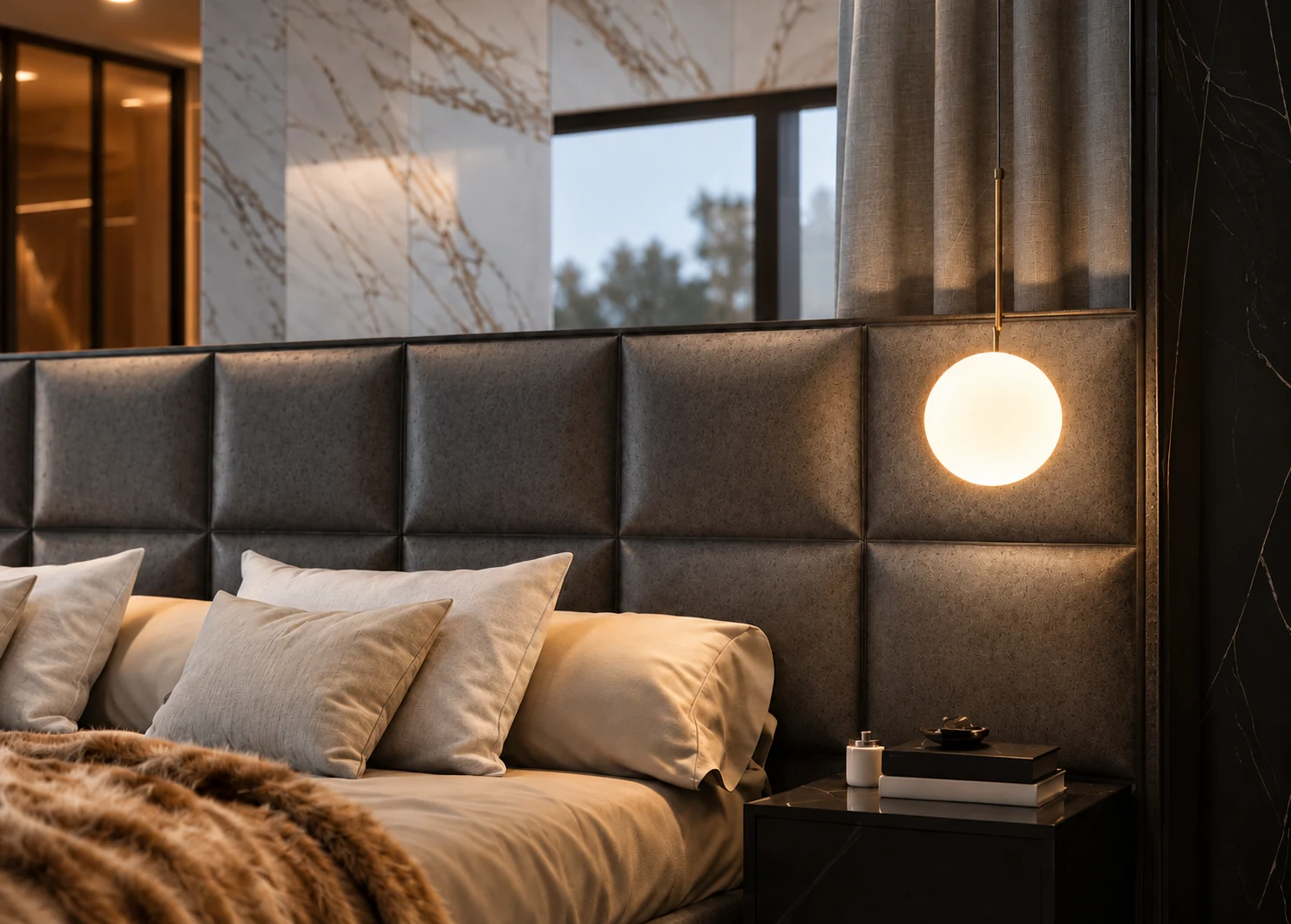
The apartment should invite a guest to stay in for the evening. A dining place can hold breakfast in daylight and a meal after work. A comfortable chair can bring together a view, reading light and somewhere to set a glass.
The furnished plan lets the designer compare how those settings work with belongings in place. Groceries need storage; a laptop may remain out during dinner; luggage needs somewhere to go after unpacking. Those are ordinary parts of a longer stay, and they influence the room as much as the choice of sofa.
Materials and lighting give the apartment its character. The laundry cupboard, collection bag and preparation space can belong within that composition, rather than occupying the places where guests want to sit or eat.
Carry the operator’s decision into the drawings
Record the chosen laundry arrangement alongside the plan. Identify the equipment position or service handover, clothing storage and the access needed to use them.
The appointed specialists must check the proposed equipment, available services, ventilation and maintenance access. Joinery details develop around that verified information, including the access the selected equipment requires.
The operator confirms the service model, guest instructions, collection and return arrangements, and relevant operating standards. Review those decisions with the interior designer while the layout can still change.
For an existing unit, establish which dimensions, fittings and services have been surveyed and what still needs investigation. The resulting drawings and specifications should describe the arrangement the owner and operator have agreed.
Choose the interior appointment the unit needs
For an apartment whose rooms still need developing, the design conversation should bring the stay and the interior together. The designer works through the layout, materials, light, furniture and fitted pieces with the operator’s service in mind.
AD’s Interior Architecture & Design develops that interior alongside your architect and specialists. The hospitality approach explains the wider appointment.
If the design and specification are already resolved, the remaining purchasing work can be agreed as a separate package.
Related projects and guides
Discuss the apartment and the stay it should support
Tell us about the apartment and the stay you want to offer. An available plan and a description of the intended service will help us discuss how the interior could develop.