
How to choose an interior design studio in Italy
Compare the interiors you admire, the work being offered and the people who will guide your project.
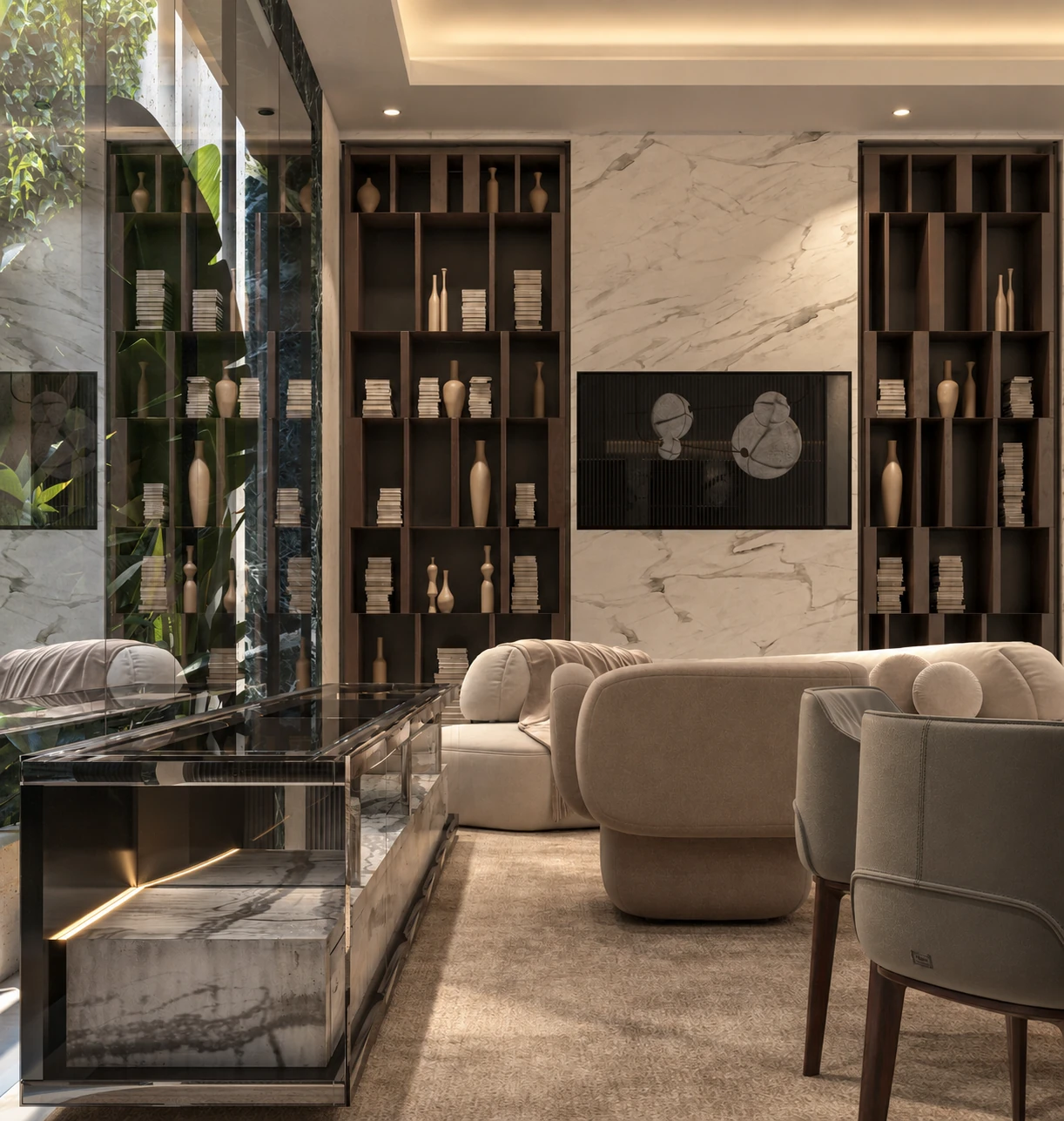
One proposal may furnish the rooms you already have. Another may develop a new layout, built-in furniture and the lighting plan. Compare those differences before comparing fees, then look at a project that shows how the studio carried its design through to the details.
The other part of the choice is personal. You are looking for people who can understand what you enjoy and develop it into an interior you want to live with. Their portfolio, proposal and first conversation each help you judge something different.
Start with the interior you want to change
You may love the property and dislike the way its rooms connect. Perhaps you want to receive guests more comfortably, bring a collection into the house or furnish a home whose layout already works. Each situation calls for a different starting point.
A studio should help turn that intention into a design brief. For a complete interior, it can develop the relationship between rooms alongside lighting, materials and furniture. A furnishing appointment can work within an established interior. If another team is already developing the design, a defined review or design direction role may be more useful.
You can start the conversation with what you want to achieve. The studio can then explain which work would help you get there.
Compare two proposals for the same interior
The following example illustrates two possible appointments. It is not a comparison of actual quotations.
| What you want to understand | A furnishing-led proposal | A proposal developing the interior |
|---|---|---|
| How the rooms will work | Furniture arranged within the existing rooms | Room relationships, movement and furniture considered together, including proposed layout changes |
| How the design will be shown | References, furniture plans and selections | Layouts, wall elevations, materials and bespoke details, as included in the proposal |
| What the other designers will need | Confirmation of any changes needed to accommodate the furnishings | Interior drawings developed with the appointed architect, engineers and makers |
| Who will handle purchases and site visits | This must be stated separately | This must also be stated separately |
A furnishing proposal may be exactly right for a home whose architecture is settled. More development is useful when a new bathroom, kitchen or fitted wall will affect the room around it.
Before you compare the fees, the studios should make these differences legible. You should be able to see what you will receive and which decisions each proposal will help you make. Interior Architecture & Design develops the interior as a whole.
Look for a project you can relate to
Start with rooms you would enjoy using. Notice where the furniture faces, how people gather and which spaces feel private. A portfolio becomes more useful when you can connect a visual preference with something you want from your own property.
Then explore one relevant commission in more depth. In AD’ Design Studio’s private residence in Phnom Penh, formal entertaining and everyday family life have different settings. That is a useful project to discuss if your home needs to accommodate both.
The studio should explain its contribution to the work shown. A conversation about one well-chosen project can tell you more than a long sequence of images: why a room was arranged that way, what was made for it and how the design developed.
See how a promising concept develops
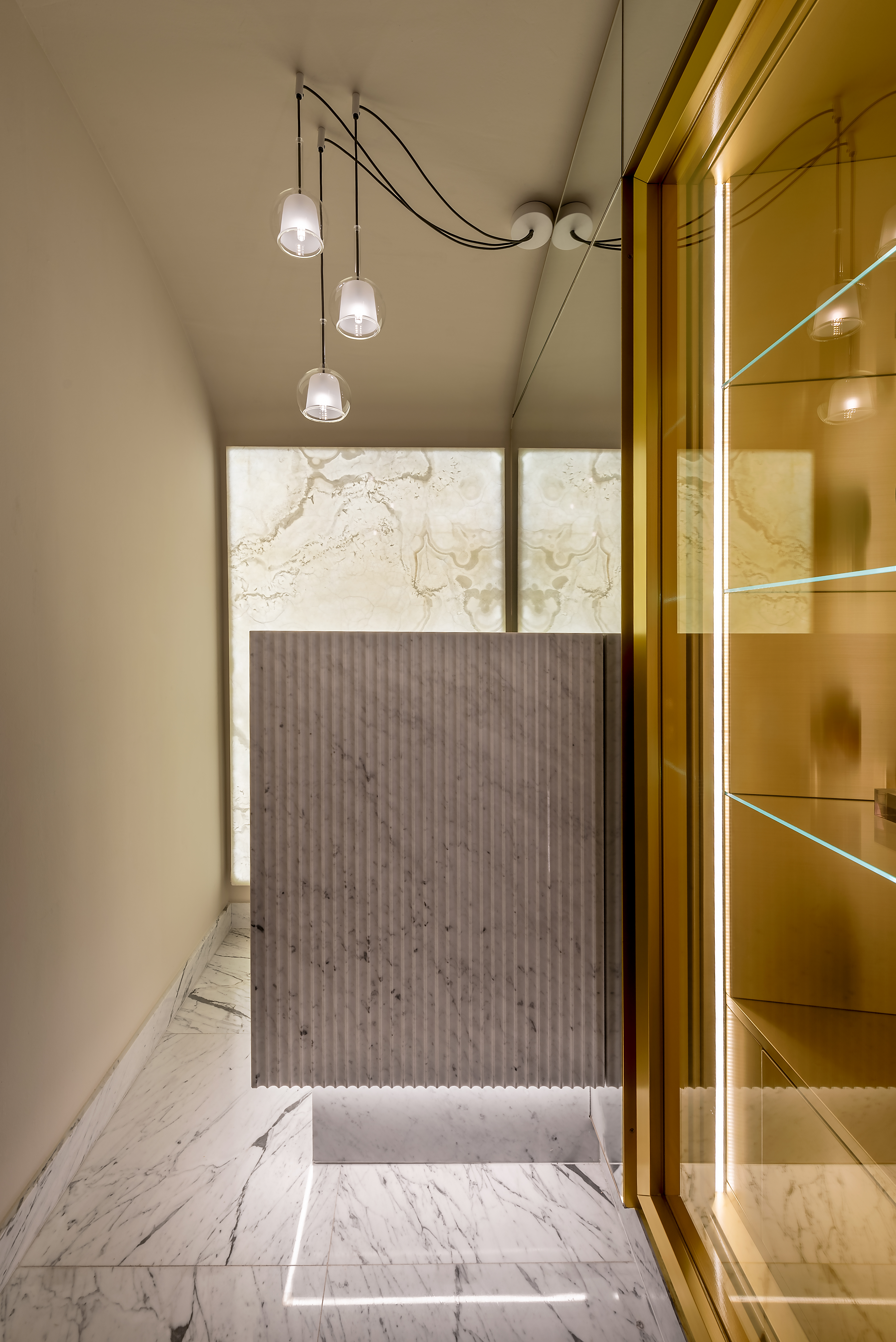
Renderings help you judge proportions, materials and the atmosphere of a proposed room. Drawings and samples take the conversation further: the height of a cabinet, the treatment of a stone edge or the place where a light meets the ceiling.
At Hotel Eden Spa in Rome, the worked edge of bespoke glass carries light onto the wall. Developing that effect meant considering the glass and the lighting together and testing them in the workshop. The detail belongs to the documented spa commission, which included reception, relaxation, the new wellness room and the manicure and pedicure room.
For your property, the studio should show how it will develop the choices you approve. You can judge the direction through images and samples while the designers and relevant specialists resolve how the elements fit together.
Understand how furniture will be selected and purchased
An Italian studio’s relationships with manufacturers and workshops can open up possibilities in materials, finishes and bespoke work. Look for how those possibilities serve the room: a piece with the right proportions, a finish considered beside the floor or a cabinet developed around the things it will hold.
Selection and purchasing are distinct services. The proposal should explain whether the studio will recommend pieces, purchase on your behalf or follow an existing designer’s specification.
Where Furnishing & Procurement is included, the furniture costs, purchasing fee and supplier terms should be clear. You should also know who will coordinate delivery and installation. That clarity lets you consider the selection with a proper understanding of bringing it into your home.
Know who you will work with
A first meeting is an opportunity to meet the people who will guide the design. Their questions should move beyond the style you like to how you use the property, what you want to retain and which choices matter most to you.
If a family office or trusted representative will take part, the studio should be comfortable working through that relationship. Design reviews can then be arranged around the people who need to understand and approve a decision.
Privacy is part of the conversation. Establish how project information and images may be shared. Some relevant work may remain confidential; the studio can explain what it is authorised to show. Meet Andrea and Lorena.
Make the first conversation useful
You do not need a finished brief before making contact. A description of the property and what you would like to change is a useful beginning. Plans or photographs, if available, can give the discussion a more precise starting point.
Listen to how the studio responds. Does it identify an interesting possibility in the rooms? Can it explain which questions it would explore first? Do you understand how your preferences will influence the design?
The written proposal follows that discussion. It should describe the work, stages, responsibilities and fee in terms you can understand.
Choose a relationship as well as an approach
The strongest shortlist combines design you value with people whose judgement you trust. You should leave the discussion able to picture both the interior you hope to create and the way you will participate in developing it.
A studio can explain the work behind its portfolio. You can decide whether its thinking, proposed involvement and personal approach suit the project you want to entrust to it.
Questions about choosing a studio
Can an Italian studio design my home while I live abroad?
Design discussions can take place remotely, with drawings and visualisations supporting decisions. Samples, visits and work with the team at the property need to be planned for your particular project. Discuss these arrangements before appointing.
What if I already have an architect?
The interior studio can develop its work alongside your architect. If the design is already underway, Design Direction or a Technical & Project Review may address the decisions you want help with. The appropriate appointment follows the work still to be developed.
How should I use a list of the best studios?
Use it to discover practices, then explore a small number of relevant projects and meet the people who would lead your commission. An editorial list cannot make that personal choice for you.
Continue exploring
Interior design studios in Italy · Rome · London · Lake Como.
Explore Sikder Haus, where a single commission brought together executive interiors and two private apartments.
Discuss your interior design project
Tell us about the property and what you would like to achieve. Plans or photographs, if available, will help us begin the conversation.