
How to choose an interior design studio in Italy
Compare design, project roles and proposals before appointing an Italian interior design studio.
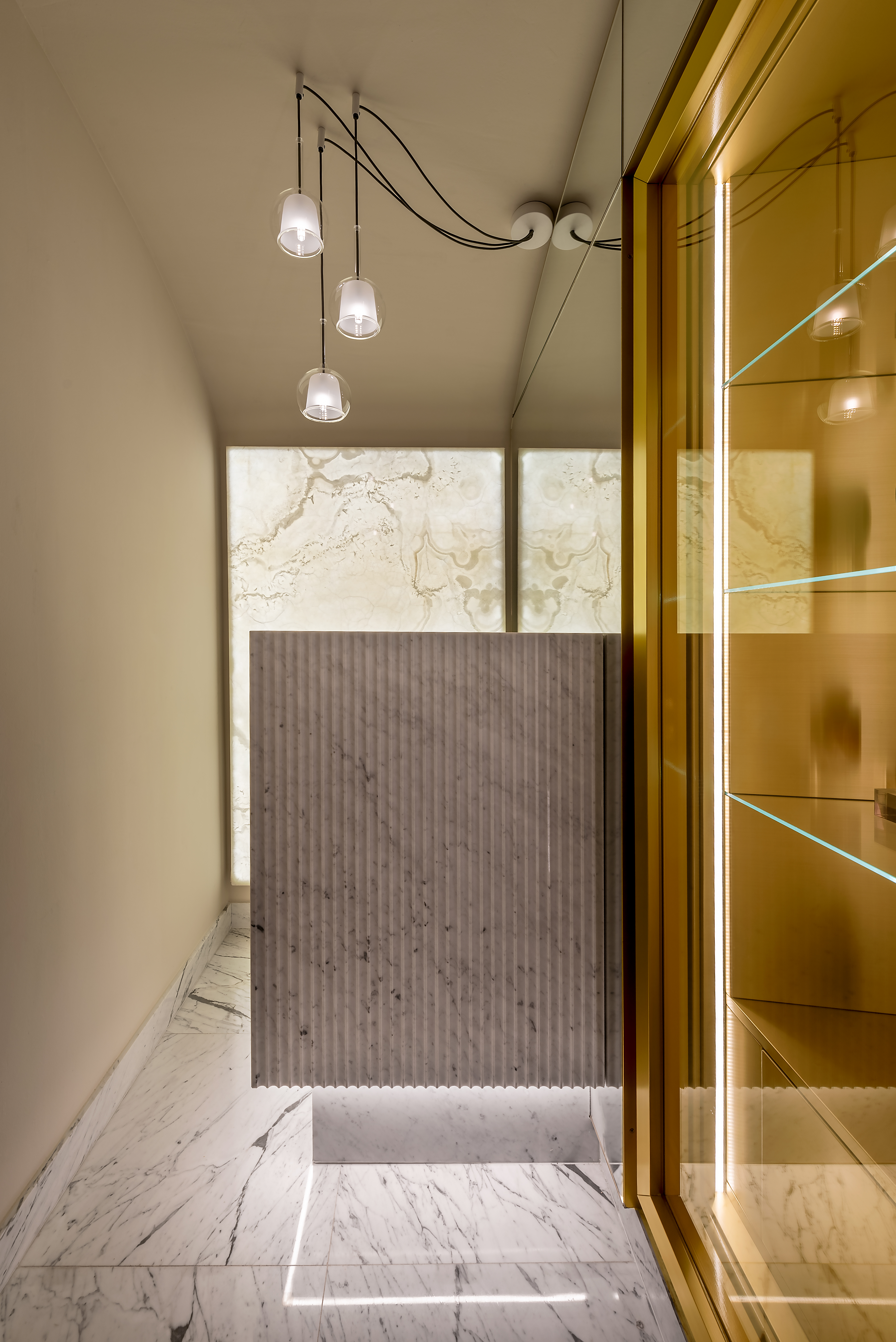
Choosing an interior design studio in Italy involves both the design you value and the work your property needs. A portfolio can show an approach to rooms, materials and furniture. A proposal should explain what the studio will develop, who will be involved and how decisions will reach you.
Your brief may be a private home, hospitality setting or executive interior, in Italy or elsewhere. Give the shortlisted studios a shared brief so you can compare relevant experience, scope and the way you would work together.
Define the work before comparing studios
Give each studio the same starting brief: the property, its location, the stage reached, how you intend to use it and who is already involved. Explain which decisions remain open. Include the working budget and timing, even if these are still being developed.
A complete interior design appointment may cover room planning, materials, lighting, furniture, bespoke pieces and construction details. Establish which stages, drawings and specifications the proposal includes, and how the work will be coordinated with your architect and specialists.
If you already have a design team, make the requested role clear: developing the interior, guiding decisions or reviewing defined drawings. Each proposal should address the same work and responsibility.
Read the portfolio through the studio’s role
Look for projects with requirements relevant to yours. A private residence may show the relationship between living, entertaining and private spaces. A hospitality project has a different brief and may demonstrate another aspect of the studio’s work.
Read the credits and scope. What did the studio design? Which rooms formed part of the commission? Did its work include technical development, bespoke pieces, purchasing or site coordination? Identify whether the example is a concept, developed design or completed interior, and ask the studio to explain its contribution.
AD’ Design Studio’s selected projects make these distinctions visible. At Hotel Eden Spa in Rome, the commission covered the complete Spa interior from concept through handover. The private villa in Phnom Penh demonstrates interior architecture, material design and bespoke furniture.
At Sikder Haus in Dhaka, AD’s integrated appointment brought together interior design, bespoke development, engineering and importation within a headquarters that also contained two private apartments. Compare the stated roles with the work you want to commission.
Ask how the concept becomes a developed interior
The proposal should explain what happens after the initial layouts and material direction are agreed.
Ask which drawings and specifications you receive at each stage. Understand how lighting relates to ceilings and joinery, how materials are specified, and how bespoke pieces move from a design proposal to drawings and samples for review. These details affect what can be priced, coordinated and made.
Who develops the specialist packages? Who reviews their relationship with the interiors? Who approves a change, and what information reaches you before that decision?
Ask who will lead your project and how the people whose work you value will be involved. Agree the purpose and cost of design reviews, site visits and local team responsibilities.
Understand recommendations and purchasing
Relationships with Italian manufacturers and workshops can inform material choices, finishes and bespoke development. Ask how those relationships serve your brief and how recommendations are assessed.
Can alternatives be compared where appropriate? Does the studio work with selections you already own or suppliers proposed by your team? How are purchasing arrangements and commercial relationships explained?
Where the appointment includes Furnishing & Procurement, establish who requests quotations, places orders and approves changes. Ask how design fees, purchasing fees, supplier terms, delivery and installation are presented. Are there other payments or commercial benefits connected with purchases, and how are these explained?
Establish which decisions require your approval and who acts on your behalf.
Discuss privacy and the working relationship
Ask how photographs, drawings and project details may be used, and whose authorisation is required before they are shared. Discuss whether your appointment needs a non-disclosure agreement.
A public portfolio may represent only part of a studio’s work. AD’ protects its clients’ privacy, including through strict non-disclosure agreements. Many commissions remain private, and project details and images are shared only with the client’s authorisation.
If you work through a family office, adviser or trusted representative, explain that structure early. Agree who attends reviews, receives recommendations and approves decisions. For an ongoing relationship, discuss how knowledge of your preferences can carry into future work, with scope and responsibilities agreed as the work evolves.
Use the first conversation to test the fit
Send a short brief before the meeting. Plans and photographs, if available, help the studio understand the starting point. Identify the decisions that concern you most: the layout, the relationship between rooms, materials, furniture or the development of an existing proposal.
Ask the studio to explain how it would approach those decisions and what it needs to learn first. Listen for specific questions about your property and its use.
Before appointing, request a written proposal covering scope, stages, deliverables, fees, responsibilities and review points. Look for a design approach you value, relevant work and a proposal you can understand.
Compare the same five questions
| Criterion | Question to ask | Evidence to request |
|---|---|---|
| Design fit | How does the work relate to the character you want? | Relevant projects and an explanation of the design choices |
| Relevant scope | What did the studio do, and what would it develop for you? | Stated project role and phase; proposed rooms and scope |
| Design lead and team | Who leads, reviews and coordinates the work? | Named responsibilities and review points |
| Technical development | What information is produced, and which specialists contribute? | Deliverables by stage and coordination responsibilities |
| Privacy and client interests | How do sharing, purchasing and approvals work? | Proposed confidentiality terms and purchasing arrangements |
Questions about choosing a studio
What should I look for in lists of the best interior designers in Italy?
Use editorial lists to discover studios. Then examine relevant projects, the studio’s contribution and the appointment it offers. Ask how its experience and working approach relate to your property.
Can I appoint an Italian interior design studio while living abroad?
Discuss how you will participate in reviews, assess samples and approve decisions. Agree site involvement and the relationship with your local architect and specialists before appointing.
Can AD’ work with my architect or family office?
Yes. We agree the interior design scope alongside your appointed team, including how recommendations are reviewed and approved. Design Direction and Technical & Project Review can address defined decisions or existing drawings.
How do I assess a studio when some projects are confidential?
Ask for relevant experience it is authorised to share. Assess the published roles and scope, the people who would lead your design and the written proposal for your property.
Tell AD’ about the property, its location, the stage reached and the people involved. Outline the interior work you want to commission and the decisions ahead.